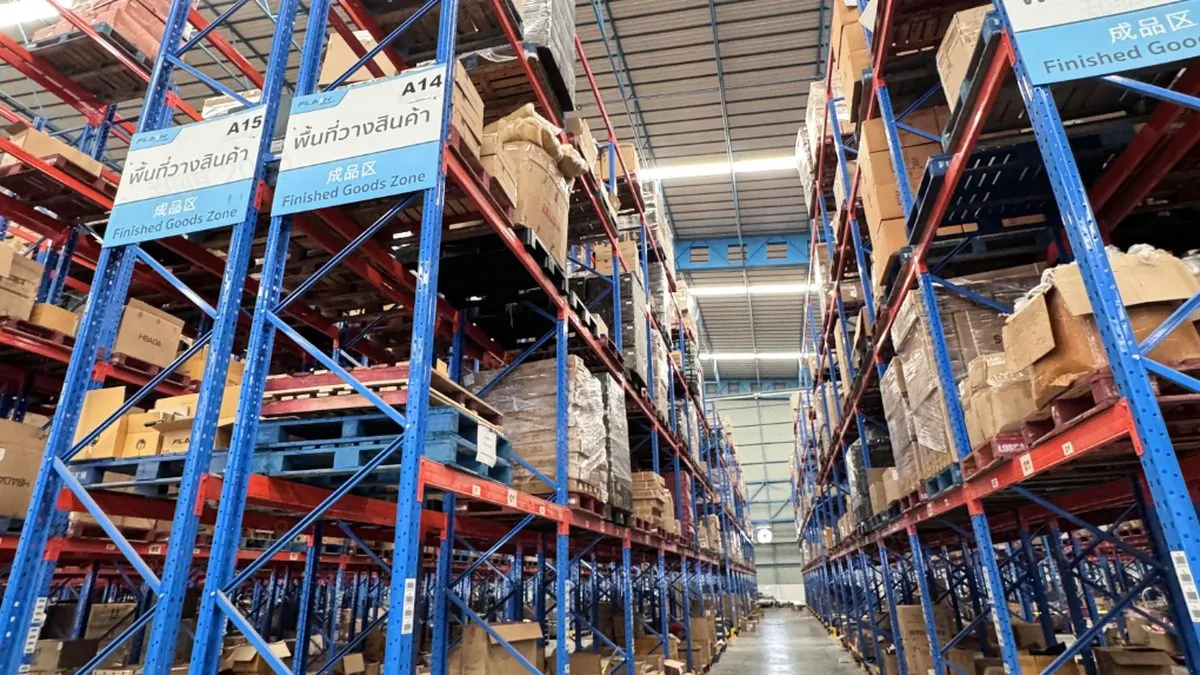
Most warehouse owners assume the mess is a people problem. Walk the floor and you'll see the truth: it's not the people — the system and the rules were never built to hold.
1. Can't find the goods — not an employee problem
You think it's because staff aren't experienced? The real reasons are:
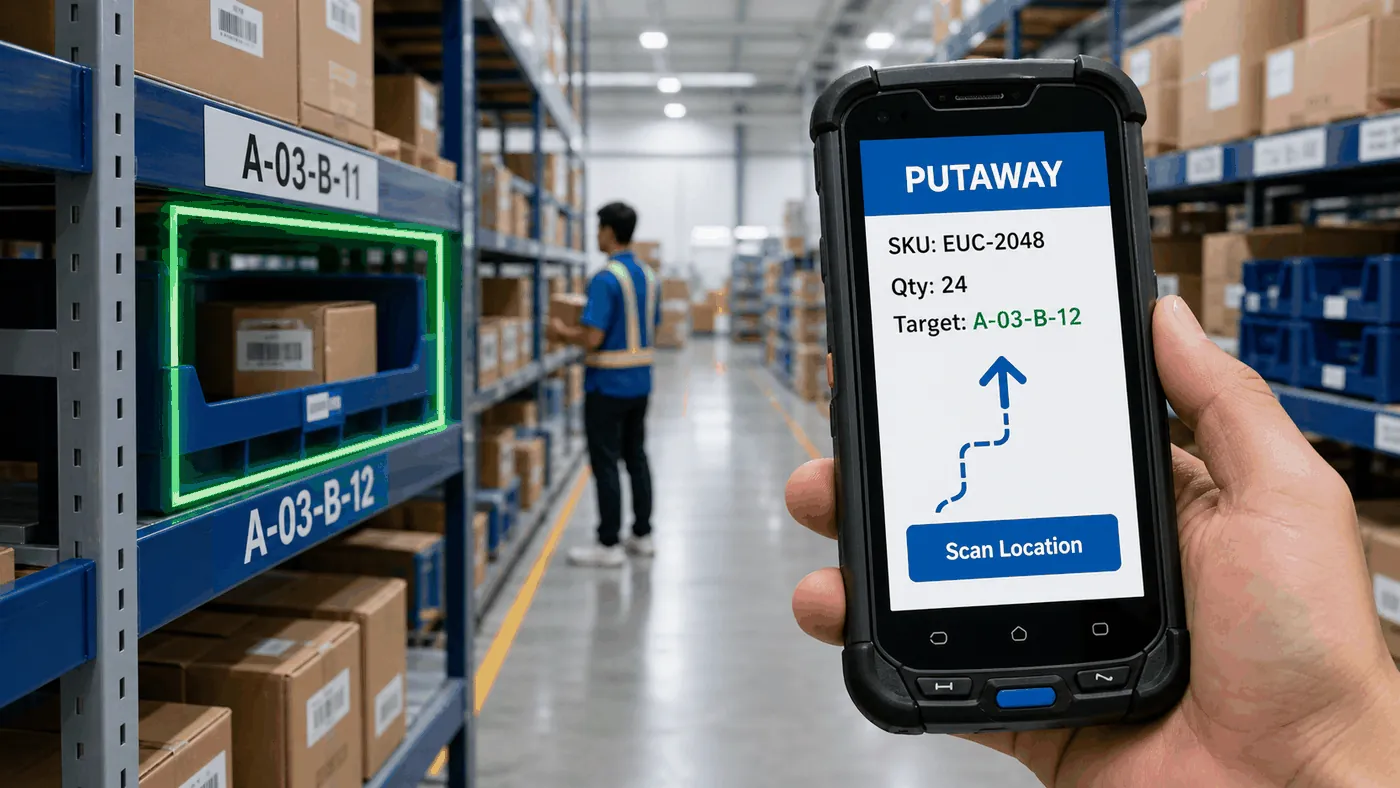
- No defined put-away location plan
- Multiple SKUs sharing one location
- Stock placed wherever there's empty space
The result: the system shows stock exists, but nobody can find it on the floor. Staff aren't picking — they're searching.
2. Inaccurate inventory — not a counting problem
Many warehouses count inventory daily and the numbers are still wrong. The problem isn't the counting. It's that system records and physical reality are never kept in sync.
- Operations not forced through the system
- Work first, record later — or forget entirely
- No double-check mechanism at critical steps
- When discrepancies appear, just "fix the number" directly
3. Process breakdown — because there are no rules
Ask a staff member why they do it that way. The answer is almost always: "That's how we've always done it."
- No standard SOP
- No mandatory actions (e.g. scan required)
- No verification mechanism
Everyone has their own version of the process. The warehouse looks like it's running. It's actually being held together by people.
4. Collapses under peak load — inevitable
It barely holds together normally. During peak season: slow picking → order backlog; inaccurate stock → overselling and stockouts; chaotic process → wrong/missing shipments. Result: customer complaints, team burnout, owner firefighting. It's not a peak-season problem. It's every problem amplified.
5. The real problem is one thing
❌ No fulfillment system that is executable, binding, and self-sustaining
6. What to do
1. Lock down locations
Every SKU must have a defined home location. No more "put it wherever there's space."
2. Lock down actions
All operations must go through the system. No scan = no completion.
3. Standardize the process
Receiving, put-away, replenishment, picking, packing — every step has a clear rule and a verification check.
A chaotic warehouse isn't created by busyness — it's created by loss of control. The goal isn't to make your team work harder. It's to make the warehouse controllable.