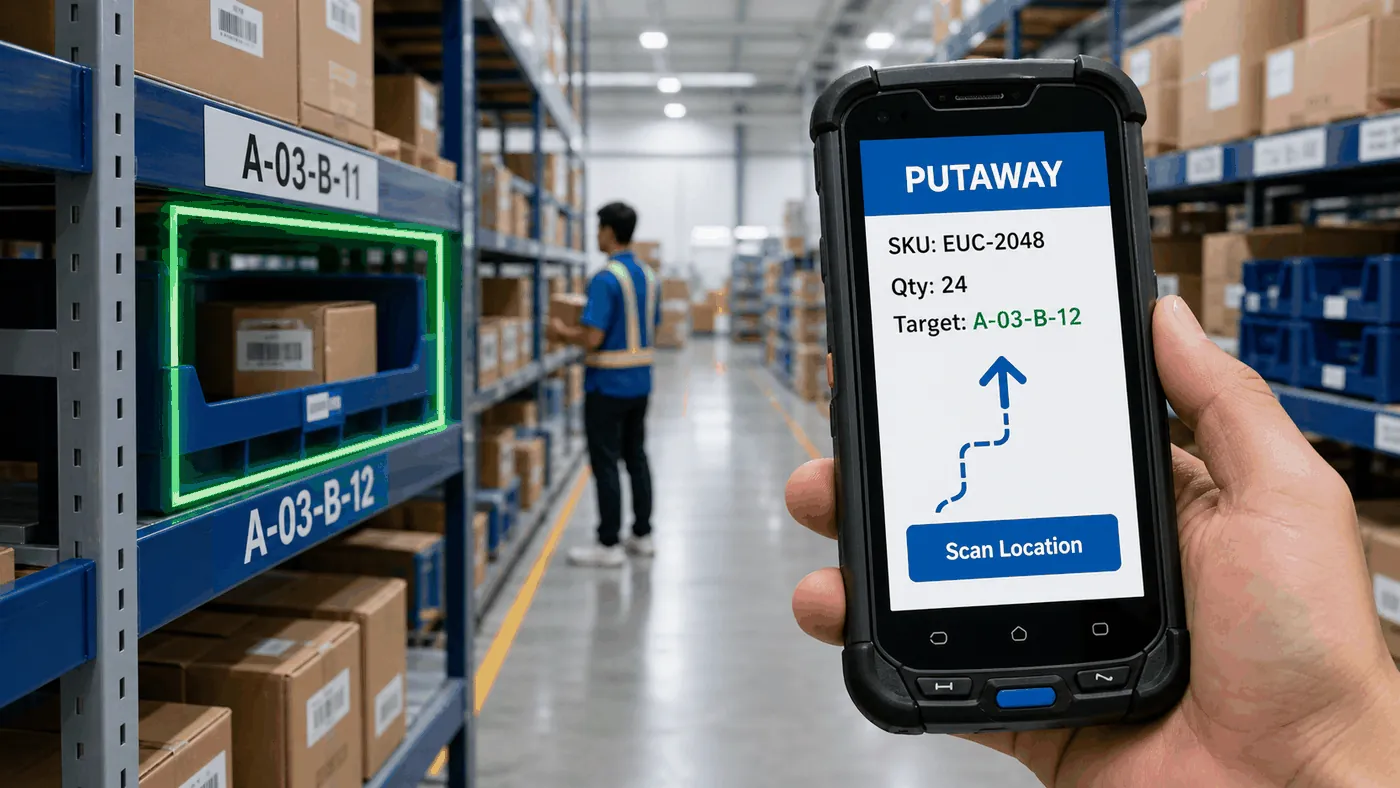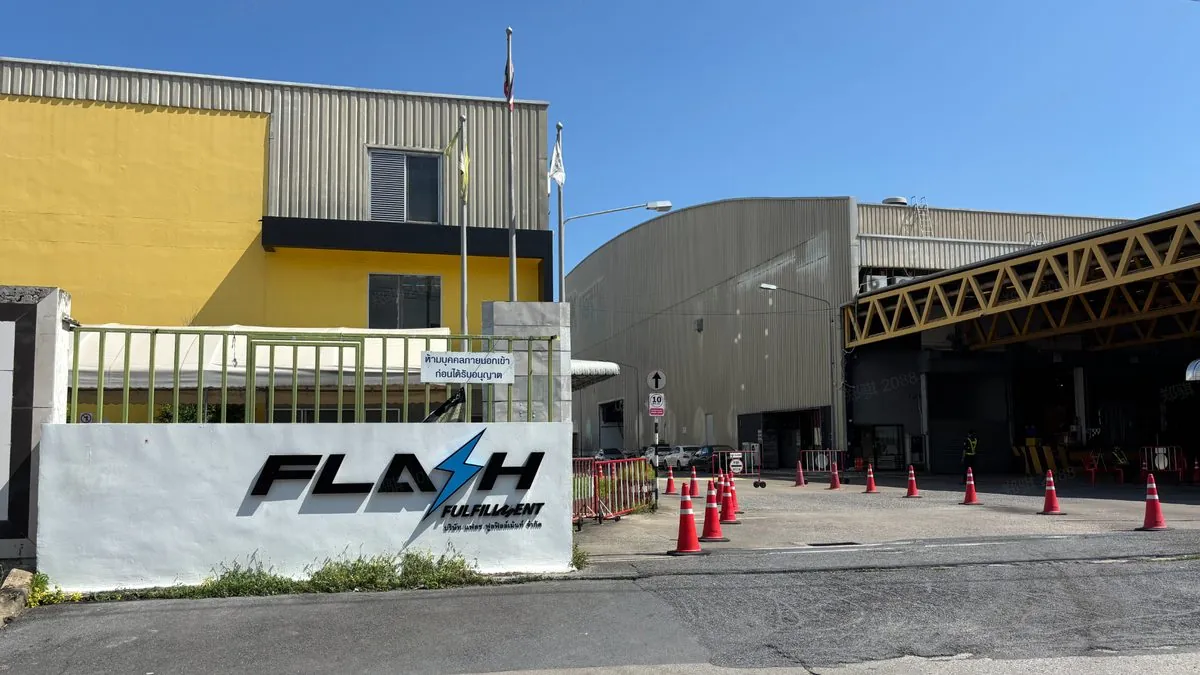
Thailand's logistics infrastructure — deep-sea ports at Laem Chabang, a national highway network, and proximity to ASEAN manufacturing corridors — makes it a natural choice for regional distribution. Many brands from mainland China, Taiwan, Japan, and Korea have expanded their regional fulfillment operations here in the past five years. But the regulatory environment for foreign companies is more layered than it looks from the outside, and the cost structure varies dramatically depending on where you choose to operate.
Where to set up: key logistics zones
Location drives everything — cost, regulatory pathway, and how quickly you can get goods to end customers. There are four zones that most companies evaluate:
Best for last-mile and e-commerce. Highest rental costs, densest consumer base. Suvarnabhumi Airport proximity is a plus for air freight.
Eastern Economic Corridor. Direct access to Laem Chabang Port. Strong BOI incentives. Best for export logistics, automotive, and industrial supply chains.
Lower cost than Bangkok proper, with good motorway access. Popular for regional distribution centres serving central and northern Thailand.
Lower operating costs. Chiang Mai serves the North and cross-border trade with Myanmar and Yunnan. Khon Kaen is the gateway to the Northeast and Laos.
Cost reference: warehouse rental by region
The figures below are indicative for ready-built warehouse space (grade B/A) with standard 8–12m clear height, loading docks, and basic fire suppression. Build-to-suit and cold-chain commands a premium.
| Zone | Rental (THB/sqm/month) | Notes |
|---|---|---|
| Bangkok / Samut Prakan | 140 – 200 | Premium for city proximity; limited large-footprint options |
| EEC (Chonburi / Rayong) | 80 – 160 | Varies by industrial estate; WHA and Amata at higher end |
| Nonthaburi / Pathum Thani | 100 – 160 | Good value for central distribution; growing supply |
| Chiang Mai / Khon Kaen | 60 – 110 | Lowest cost; limited grade-A stock; suitable for regional satellite |
Beyond rent, factor in: management fee (5–15 THB/sqm/month), utility deposit (1–3 months), fit-out cost for racking and WMS hardware (typically 300,000–1,500,000 THB depending on scale), and import duty on equipment if brought from overseas.
Regulations: what foreign companies need to know
Three regulatory frameworks shape your options as a foreign company operating a warehouse in Thailand:
-
Foreign Business Act (FBA) B.E. 2542
Logistics and warehousing appear on the FBA's restricted list (List 3). A foreign majority-owned company cannot operate a warehouse in Thailand without either obtaining a Foreign Business License (FBL) from the Cabinet — a slow and uncertain process — or using one of the exemption routes below. Most companies choose BOI or an industrial estate instead of applying directly for an FBL.
-
BOI (Board of Investment) Promotion
The BOI grants promoted companies the right to operate restricted businesses, bring in foreign workers, and — critically — own land in Thailand. Logistics and distribution centres qualify for promotion under Activity 7.8. Key incentives include 3–8 years of corporate income tax exemption, import duty exemption on machinery, and no restriction on foreign ownership of shares. BOI applications typically take 3–6 months. Companies in the EEC zone may qualify for enhanced incentives under the EEC Act.
-
IEAT industrial estates
The Industrial Estate Authority of Thailand (IEAT) manages industrial zones where foreign companies can operate with full ownership rights by default — no BOI application needed. Within IEAT zones, the FBA restrictions effectively do not apply. Private industrial estates (WHA, Amata, Hemaraj) are co-developed with IEAT and offer the same protections. This is the fastest path for companies that need to start quickly without a BOI application timeline.
Land leasing: the 30-year structure explained
Even with BOI promotion granting the right to own land, most foreign companies prefer to lease rather than buy — particularly for warehouse operations where flexibility matters. Thai law caps registered land leases at 30 years. This creates the structure you'll encounter in almost every commercial lease:
The critical point: only the first 30 years can be registered at the Land Department and therefore has full legal protection. The two renewal periods are promises in the contract — they are enforceable between the parties, but if the landlord sells the land or the ownership changes, the new owner is not legally bound by those renewal commitments. In practice, most institutional landlords (industrial estates, REITs) honour renewals without issue. But for private landlords, this is a material risk that requires careful due diligence and contract drafting.
Land title: what to check before signing
Thailand has multiple land title types. For a long-term warehouse lease, you want a Chanote (โฉนดที่ดิน / Nor Sor 4 Jor) — the strongest title, precisely surveyed and GPS-referenced. Avoid leasing on Nor Sor 3 Gor or lower-grade documents for any significant investment; these titles have weaker legal standing and boundary disputes are more common. Always verify the title at the local Land Department office before signing any lease.
Practical checklist before you commit
-
Define your regulatory path first — BOI, IEAT industrial estate, or majority Thai-owned JV? This decision drives everything else: location options, timeline, and cost structure.
-
Verify the land title (Chanote) — Check at the Land Department. Confirm boundaries, ownership chain, and whether there are existing encumbrances or mortgages on the land.
-
Register the lease at the Land Department — A lease over 3 years must be registered to be enforceable against third parties. Registration fee is 1% of total rent over the lease term, plus 0.1% stamp duty.
-
Check zoning and factory licence requirements — Warehouse operations above 50 sqm technically require a Factory Licence (โรงงาน) under the Factory Act. Check that the property is in a permitted zoning category for your intended use.
-
Plan your WMS before fit-out starts — Racking layout, location numbering, hardware placement, and power/network drops all need to be defined before construction begins. Retrofitting WMS infrastructure after racking is installed is significantly more expensive.
-
Budget for labor — and factor in Thai labor law — Thailand's minimum wage varies by province (363–400+ THB/day in 2026). Severance obligations under Thai Labor Protection Act are significant for long-term headcount planning. Workforce management is a key variable in total operating cost.
Thailand's warehouse market is mature and well-supplied — the challenge isn't finding space, it's navigating the regulatory and contractual complexity quickly enough to not lose your market window.
Once you have the space: getting operations right from day one
The physical space is only the start. Companies that set up in Thailand and then bolt on a WMS six months later — after processes are already entrenched and staff have learned bad habits — pay a far higher implementation cost than those that plan WMS alongside the warehouse layout from the beginning. Location design, bin numbering, aisle widths, dock assignment, and hardware positioning should all be defined before the first pallet arrives.