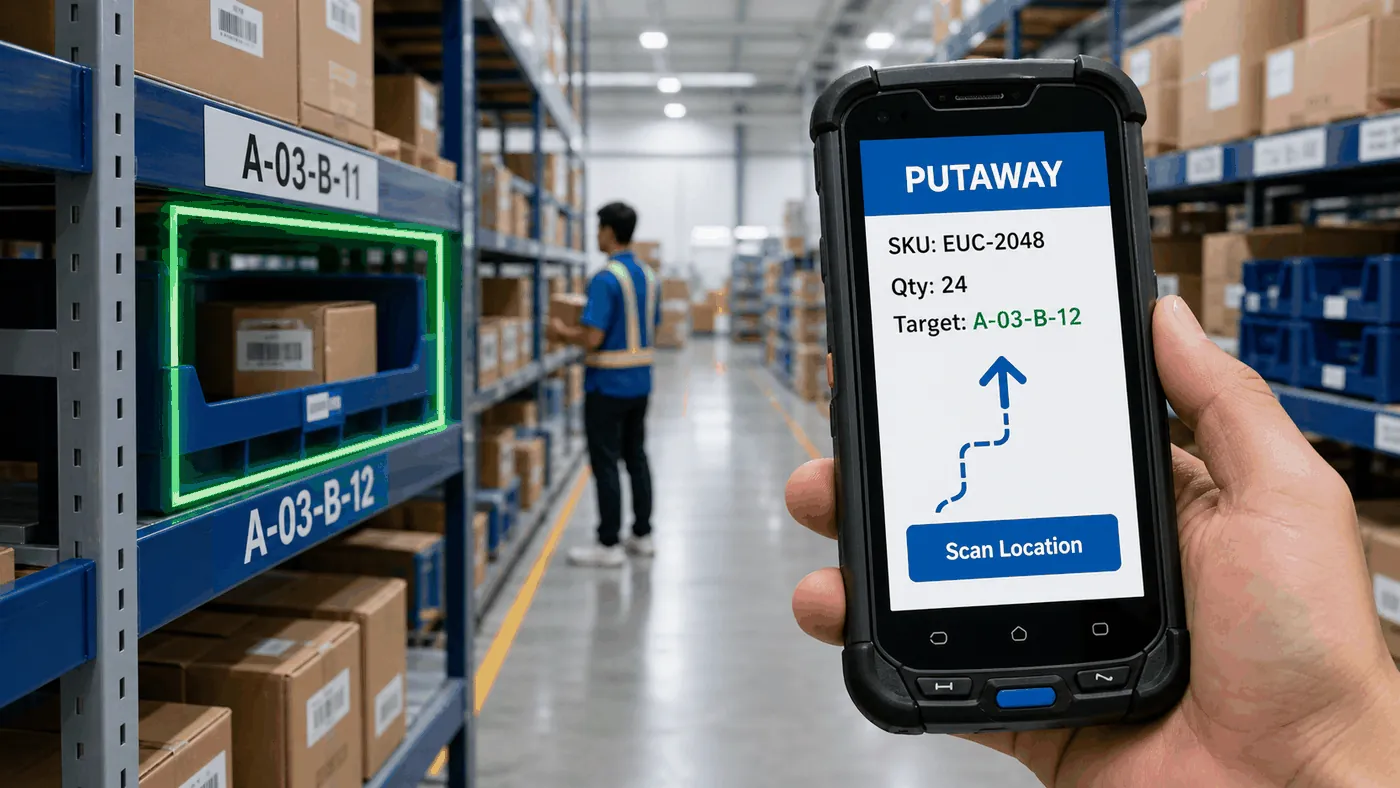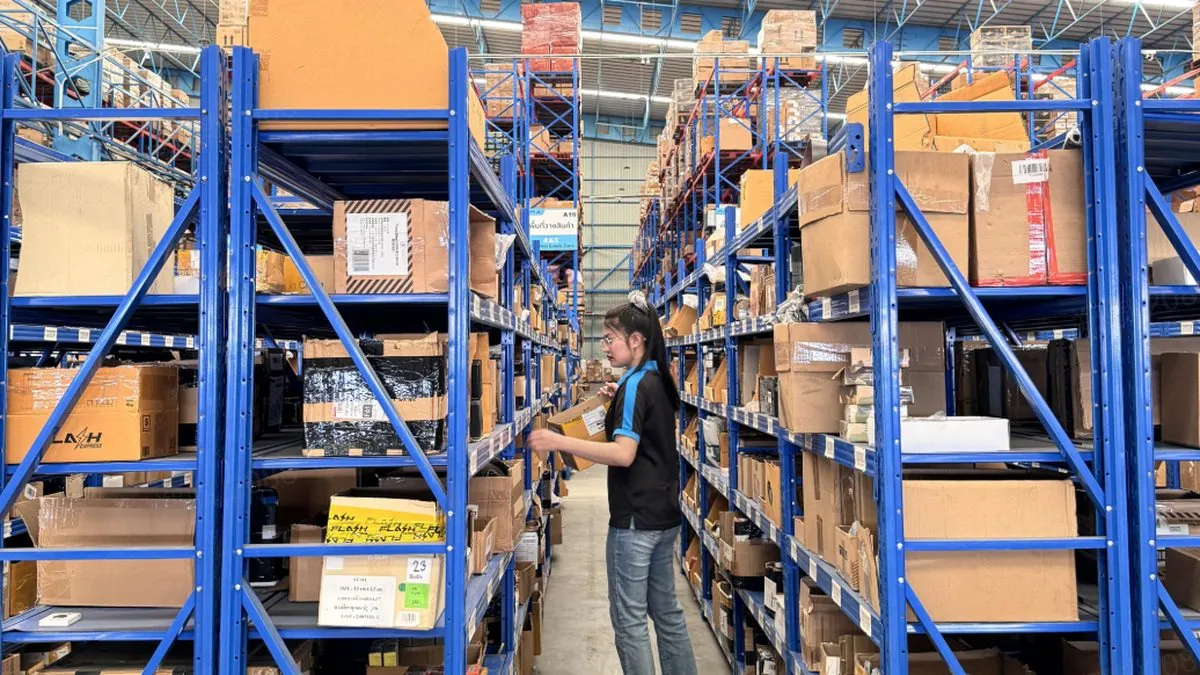
Most warehouses aren't short on optimization efforts. Location plans, SOP documentation, a new WMS, rounds of training. But after a while the floor looks the same — locations get ignored, steps get skipped, the system gets bypassed, and the moment things get busy, it all reverts to running on experience.
The question isn't "have you optimized?" It's "did any of that optimization actually get enforced?"
Why most optimizations don't stick
1. Rules were written, not enforced
Most warehouses have rules, processes, and training. But in practice: if you can work around it, you do. If you can skip it, you do. When things are busy, you deal with the order first. Because rules are a request, not a constraint. If you can deviate without the system stopping you, the rule is effectively just a suggestion.
2. The system records problems, doesn't prevent them
Many businesses assume that going live with a WMS will standardize operations. But some systems are recording tools, not control tools. They'll tell you that goods were misplaced, that stock doesn't reconcile, that procedures weren't followed — after the fact. An effective system doesn't just log outcomes. It makes the wrong action impossible to complete.
3. Critical actions still rely on human judgement
A stable warehouse isn't built on process diagrams on the wall. It's built on whether a handful of critical decisions are actually locked in: where does this go on put-away? Where does replenishment come from? Which location do I pick from? How do exceptions get handled? Which actions require a scan? If those decisions are still made by each employee in the moment, the warehouse will break under load.
What actually works: make the wrong action impossible
What does "actually implemented" look like?
It's not measured by how many optimizations you've done. It's measured by whether the floor has actually changed. Ask yourself:
- Can a new employee complete operations independently by following the system?
- If your experienced staff are absent, can the warehouse still operate normally?
- If order volume doubles overnight, does the floor immediately break down?
- Without a supervisor watching, does the process still run consistently?