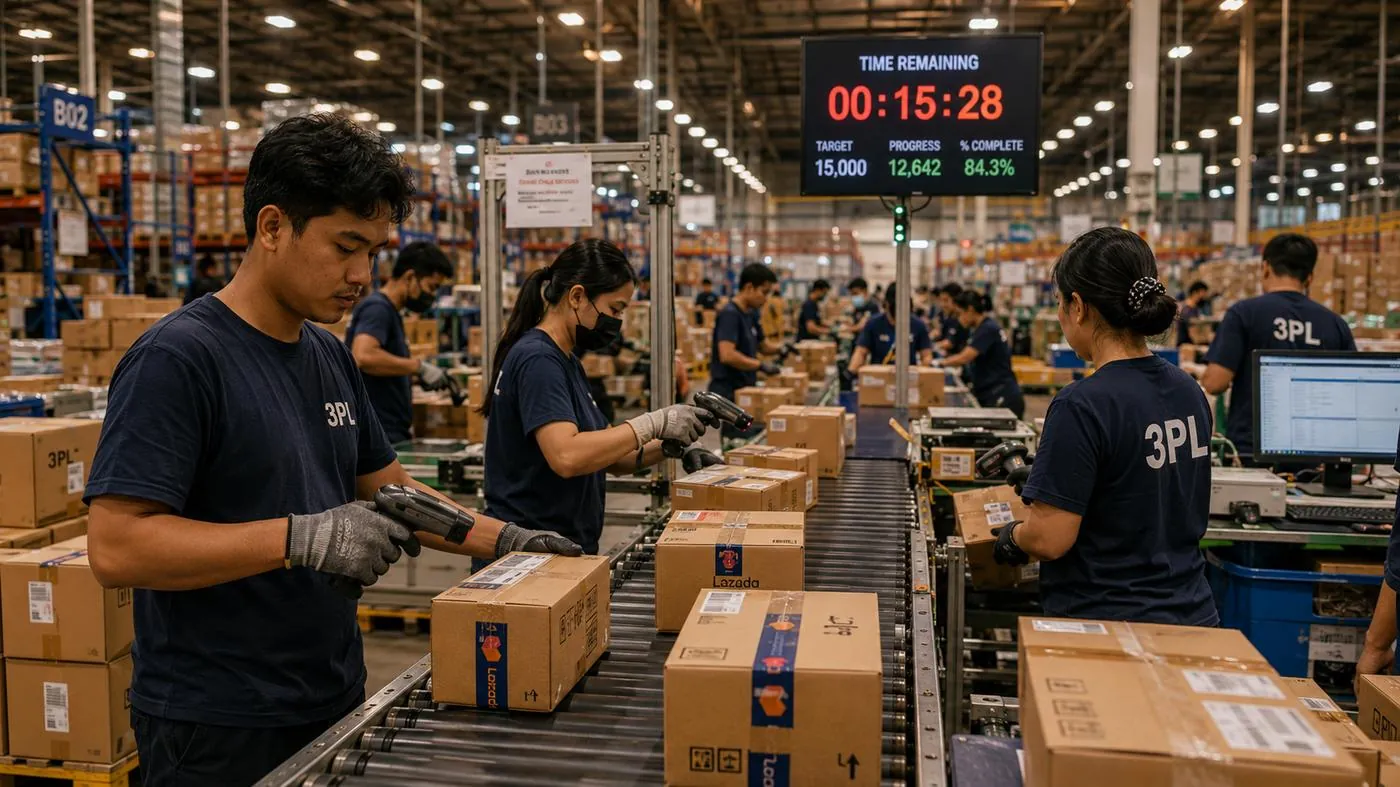
E-commerce competition in Southeast Asia has entered a new phase: a good product alone isn't enough — fulfillment speed is itself a competitive advantage. Platform algorithms increasingly direct traffic toward sellers with consistent fulfillment records, and penalize those who miss shipping windows. For brands, sellers, and 3PL operators alike, this raises one common question: can your warehouse hold SLA compliance through peak volume?
What are the platform SLA requirements?
The three dominant Southeast Asian e-commerce platforms each have their own SLA requirements, but the direction is consistent — all tightening. Here's the current baseline framework (requirements vary by country and seller tier):
What's really causing the SLA failures?
When sellers and warehouses analyze late shipments, the first instinct is "not enough staff" or "the courier was late." But those are usually symptoms. The root causes typically live inside the warehouse's own processes:
Slow order release. Without automated platform integration, orders must be manually downloaded, imported, and assigned — wasting 1–2 hours before picking even starts.
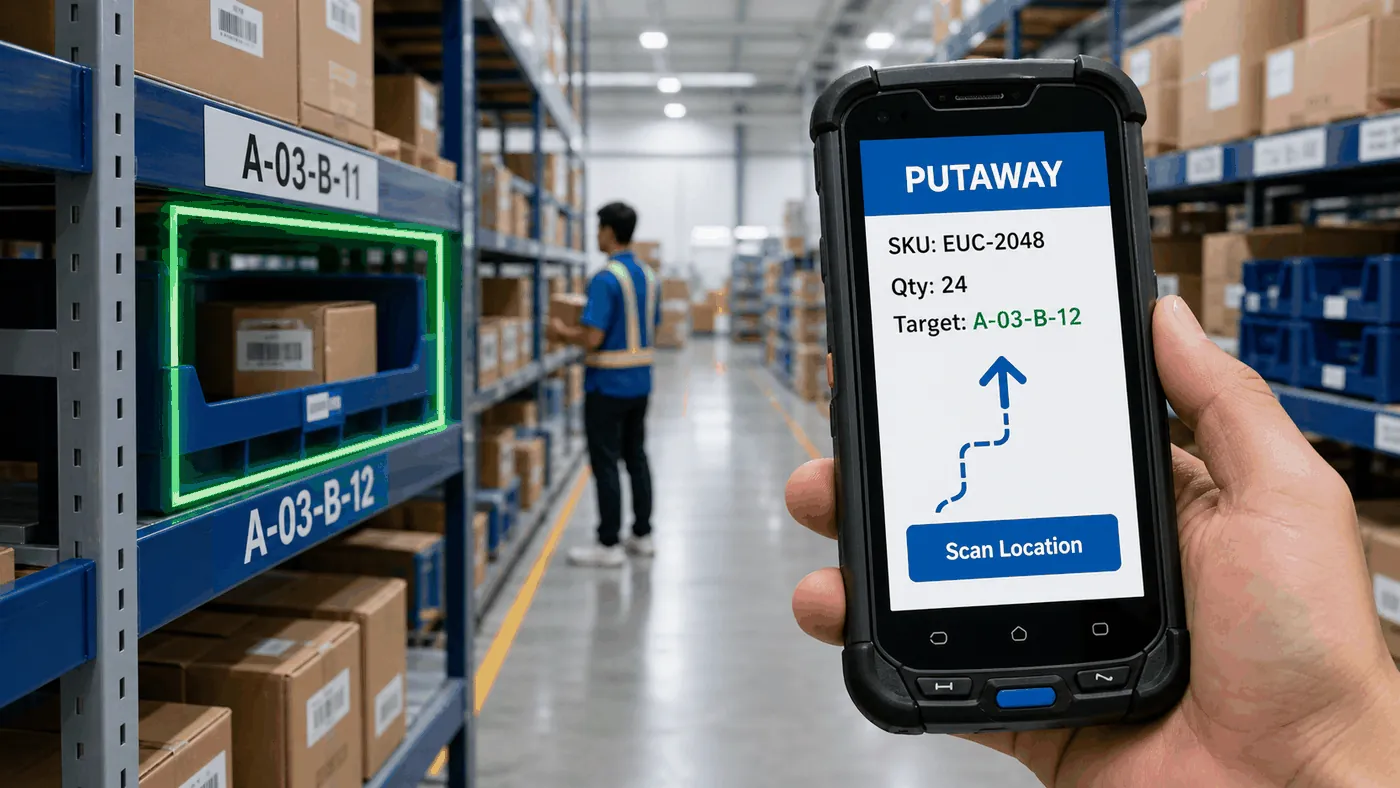
No location management, slow picking. Without bin assignments, staff rely on memory and experience to find goods. Average pick time is long, and every gap shows up the moment volume rises.
Sequential labeling bottleneck. After picking, orders wait for label printing, manual application, and verification — a serial process with no parallel capacity, creating a hard choke point.
No cutoff time management. Without visibility into which orders must ship today versus tomorrow, there's no priority system. Urgent orders get missed during peak periods.
Late shipments aren't the courier's fault, and they're not the staff's fault. In 90% of cases, the root is in the internal warehouse process — how much time is lost between order receipt and the moment it leaves the building.
Five actions that actually move the needle on fulfillment speed
From the 3PL perspective: SLA capability is becoming a core competitive threshold
For 3PL operators, fulfillment speed is no longer just a quality indicator — it's a precondition for winning contracts. A growing share of brand clients and cross-border sellers now open 3PL evaluations with: "What's your average time-to-ship? Can you guarantee it through peak campaigns?"
The 3PL that can answer this with data — "95% of our daily outbound ships within 6 hours; we maintain that through peak with pre-stocking and flexible labor" — has a fundamentally different position in contract negotiations versus the 3PL that says "we generally do well."