东南亚电商履约时效提升策略
Back to blog

E-commerce operations

Southeast Asia e-commerce fulfillment speed: platform requirements are getting tighter — how can your warehouse keep up?

Shopee, Lazada, and TikTok Shop are tightening fulfillment SLAs every year. Miss the window and you face fines, ranking penalties, and lost traffic. The pressure lands squarely on the warehouse — and most warehouses aren't built to absorb it.

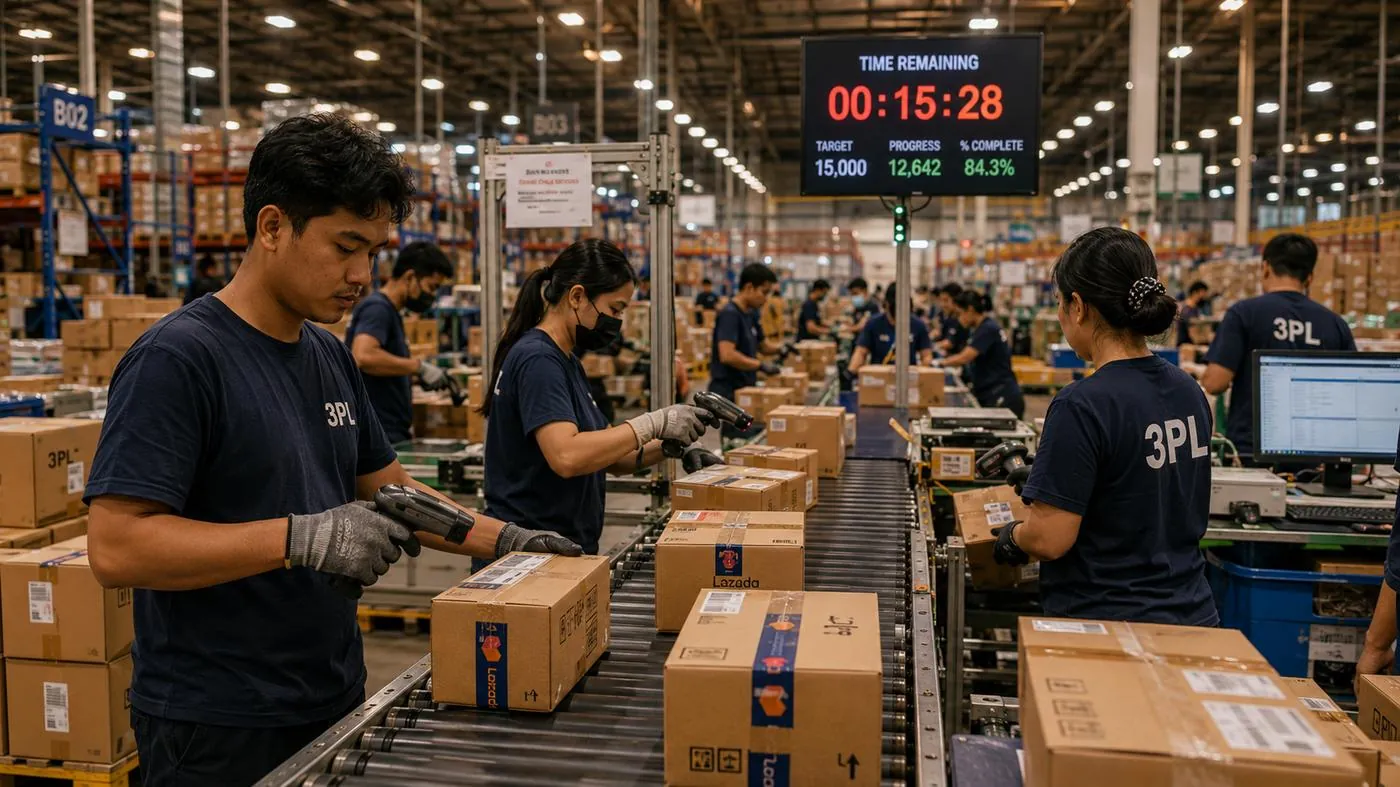
E-commerce competition in Southeast Asia has entered a new phase: a good product alone isn't enough — fulfillment speed is itself a competitive advantage. Platform algorithms increasingly direct traffic toward sellers with consistent fulfillment records, and penalize those who miss shipping windows. For brands, sellers, and 3PL operators alike, this raises one common question: can your warehouse hold SLA compliance through peak volume?

What are the platform SLA requirements?

The three dominant Southeast Asian e-commerce platforms each have their own SLA requirements, but the direction is consistent — all tightening. Here's the current baseline framework (requirements vary by country and seller tier):

Shopee
Standard sellers: ship within 2 working days of order. Preferred sellers face stricter windows; some markets require same-day processing.
⚠ Late triggers Late Shipment Rate (LSR) deduction; repeated violations → ranking drops, traffic cut
Lazada
Standard: ship within 48 hours. LazMall brand stores in select categories must be picked up within 24 hours.
⚠ Late orders counted in SLA violation metrics; impacts seller score and eligibility for campaign participation
TikTok Shop
TH, MY, ID: pickup must be completed within 2 days of order. Live-stream order surges are monitored in real time by the platform.
⚠ Late rate above 5% triggers traffic penalty; unshipped live orders can result in shop suspension
Peak campaigns are even stricter: During 11.11, mid-year, 9.9, and 12.12 campaigns, platforms intensify monitoring. Some campaigns require all orders shipped within 24 hours or sellers lose campaign eligibility. A warehouse that barely holds SLA in normal operations will collapse under peak load.

What's really causing the SLA failures?

When sellers and warehouses analyze late shipments, the first instinct is "not enough staff" or "the courier was late." But those are usually symptoms. The root causes typically live inside the warehouse's own processes:

Slow order release. Without automated platform integration, orders must be manually downloaded, imported, and assigned — wasting 1–2 hours before picking even starts.

No location management, slow picking. Without bin assignments, staff rely on memory and experience to find goods. Average pick time is long, and every gap shows up the moment volume rises.

Sequential labeling bottleneck. After picking, orders wait for label printing, manual application, and verification — a serial process with no parallel capacity, creating a hard choke point.

No cutoff time management. Without visibility into which orders must ship today versus tomorrow, there's no priority system. Urgent orders get missed during peak periods.

Late shipments aren't the courier's fault, and they're not the staff's fault. In 90% of cases, the root is in the internal warehouse process — how much time is lost between order receipt and the moment it leaves the building.

Five actions that actually move the needle on fulfillment speed

1
Direct platform integration — orders flow in automatically
WMS API integration with Shopee, Lazada, and TikTok Shop means every new order instantly triggers picking workflow — no manual download. This alone typically saves 30–90 minutes of processing lag per order cycle, the single biggest lever for SLA improvement.
2
Set cutoff times and batch by wave
Work backwards from courier pickup time to define order cutoffs (e.g., 14:00 cutoff for 18:00 pickup). The WMS automatically batches orders by priority wave, ensuring today's must-ship orders never get buried in tomorrow's pile. Wave management is a baseline function for any high-volume warehouse.
3
Zone locations by outbound frequency
Place fast movers, regular SKUs, and slow sellers in separate zones. High-frequency SKUs go in golden locations at the shortest pick path. This requires minimal physical change but typically improves picking efficiency 20–40%, directly reducing time-to-ship.
4
Parallelize labeling with picking
Trigger label printing as the picker scans each SKU, running labeling and picking in parallel so the printer is never a bottleneck. Some warehouses use mobile print-on-pick devices to eliminate waiting entirely.
5
Monitor SLA compliance in real time — alert before it's too late
A WMS dashboard showing real-time counts of pending orders, time remaining, and current processing progress lets managers see SLA risk 2–3 hours before cutoff — giving time to reallocate staff or request early courier pickup. The earlier you see the problem, the lower the cost to fix it.

From the 3PL perspective: SLA capability is becoming a core competitive threshold

For 3PL operators, fulfillment speed is no longer just a quality indicator — it's a precondition for winning contracts. A growing share of brand clients and cross-border sellers now open 3PL evaluations with: "What's your average time-to-ship? Can you guarantee it through peak campaigns?"

The 3PL that can answer this with data — "95% of our daily outbound ships within 6 hours; we maintain that through peak with pre-stocking and flexible labor" — has a fundamentally different position in contract negotiations versus the 3PL that says "we generally do well."
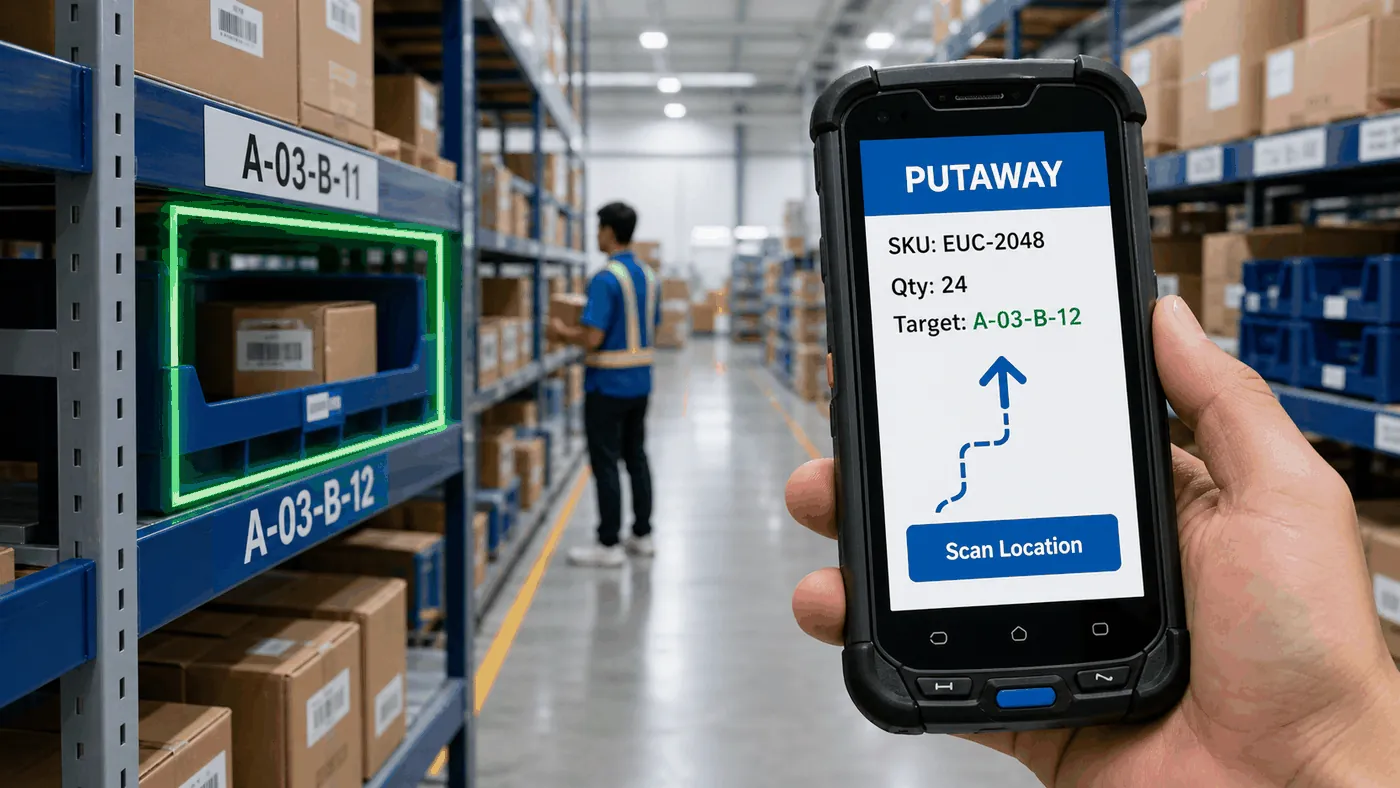
Numbers are the best sales tool: A WMS that logs full timestamp trails for every order — from receipt to outbound scan — isn't just an operational tool. It generates a performance record you can bring to the sales table. A 95% on-time rate isn't claimed; it's proven by system data.
← Previous: build own warehouse vs 3PL Next: live commerce fulfillment →

Book a warehouse assessment

Understand the problem first. Then decide what comes next.

Tell us your warehouse size, order volume and main challenges. We will provide improvement recommendations tailored to your situation.

Want to talk first? Talk on LINE WhatsApp
✓ Submitted! We'll contact you within 1 business day.
Submission failed. Please email us at zhengqi@flashexpress.com
Remote diagnosis first. On-site warehouse visit can be arranged when needed.